
How Often Should You Visit the Dentist?
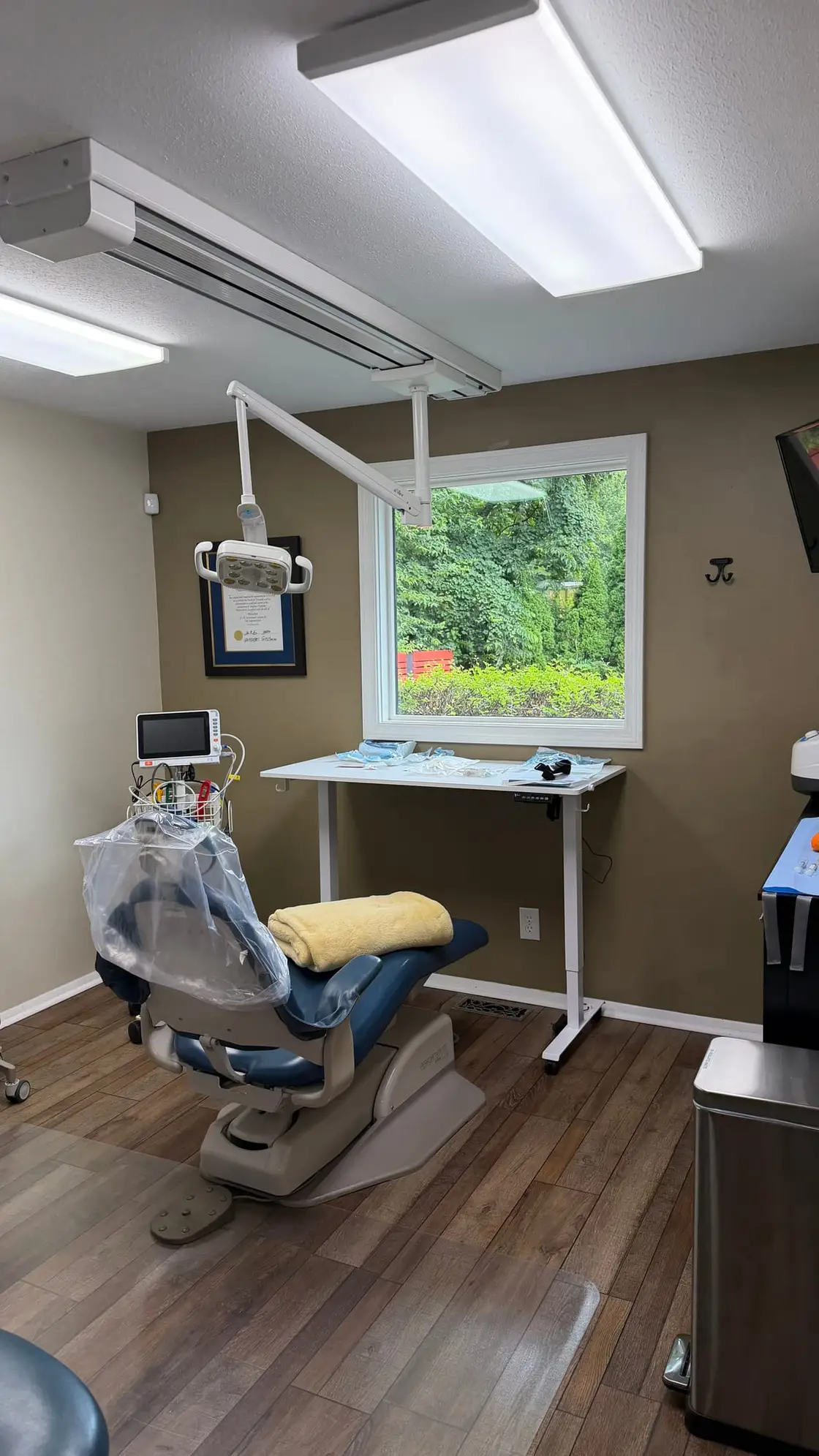
There is no single dental-visit schedule that fits every person. Many patients do well with an exam and professional cleaning about every six months, but the right interval depends on your teeth, gums, health history, and risk of future problems. Some people need more frequent care. Others may be able to go longer between visits after their dentist reviews their needs.
At Noblesville Dental Associates, we set your recall schedule for a reason and explain it in plain language. The goal is not to bring you in more often than necessary. It is to find the interval that helps you stay comfortable, catch concerns early, and avoid preventable treatment.
Why Your Dental Visit Schedule Is Personal
The American Dental Association recommends regular dental care while leaving the exact timing to the patient and dentist. Your recommended interval may change over time as your health changes.
You may benefit from more frequent visits if you:
- Have active gum disease or a history of periodontal treatment
- Develop cavities often or have areas that are difficult to keep clean
- Wear braces, clear aligners, dentures, or other dental appliances
- Have dry mouth from medications, medical treatment, or another cause
- Use tobacco or nicotine products
- Are pregnant or managing a health condition that affects oral health
- Have extensive dental work that needs closer monitoring
- Notice bleeding gums, persistent bad breath, tooth sensitivity, or pain
If your mouth is healthy and your risk is low, your dentist may recommend a different schedule. What matters is that the plan is based on your current health, not a calendar rule.
What Happens During a Routine Dental Exam?
A preventive visit gives your dentist and hygienist a chance to look for small changes before they become painful or complicated. Depending on your needs, the visit may include:
- A review of your health and medications. Changes in your health can affect your gums, saliva, healing, and treatment choices.
- A careful examination. We check your teeth, gums, bite, and existing fillings, crowns, bridges, or implants.
- An oral cancer screening. Your dentist examines the lips, cheeks, tongue, throat, and other soft tissues for changes that deserve attention.
- Digital X-rays when appropriate. X-rays are prescribed according to your history, symptoms, age, and risk. They are not automatically required at every visit.
- A clear conversation. If we see a concern, we show you what we found, explain the options, and answer your questions without pressure.
Regular exams can uncover early decay, gum inflammation, cracked teeth, worn restorations, bite problems, and other changes that may not hurt yet. Finding a concern early often gives you more treatment choices.
What Happens During a Professional Cleaning?
Even careful brushing and flossing cannot remove hardened tartar. During a routine cleaning, a hygienist removes plaque and tartar from around the teeth and gumline, polishes the teeth, and checks how your gums are responding.
A routine cleaning is not the right starting point for every patient. If we find signs of active gum disease, we may recommend periodontal therapy instead. We will explain the difference before treatment and help you understand the next step.
Your hygienist can also help you make home care easier. That may mean adjusting your brushing technique, choosing the right interdental cleaner, caring for an implant or bridge, or finding options for sensitivity and dry mouth.
Should You Wait Until Something Hurts?
Pain is a reason to call, but it is not a reliable schedule for dental care. Cavities, gum disease, failing restorations, and some infections can progress quietly. By the time a tooth hurts, treatment may be more involved than it would have been at an earlier stage.
Contact us before your next routine visit if you have:
- A toothache or pain when biting
- Swelling in the gums, face, or jaw
- A broken or loose tooth, filling, crown, or bridge
- Gums that bleed frequently
- A sore, lump, or discolored area that does not heal within two weeks
- New sensitivity that persists or worsens
For an urgent concern, call the office at (317) 773-2983. Our team also maintains an after-hours emergency line for established and local patients who need guidance when the office is closed.
Schedule a Dental Exam in Noblesville
If it has been six months, a year, or longer since your last visit, you do not need to feel embarrassed. Start where you are. Dr. Wayne Kinney, Dr. Richard Berry, and the Noblesville Dental Associates team will listen first, evaluate your oral health, and help you choose a practical path forward.
Request an appointment at our River Road office, or learn more about our family and preventive dentistry services.
This article is for general education only and is not a substitute for professional dental advice. For guidance about your own smile, talk with your dentist.